
Precautions and implementation methods of starvation therapy for weight loss
What should you be aware of when using fasting therapy?
Professor Propassin says: "Fasting therapy is a method that has been effective for centuries, requiring extraordinary willpower from the person being treated. Using this therapy, weight can be lost by 1.2 kilograms per day, or even more.
To minimize the risk of health problems, a doctor's examination is necessary before attempting a full-blown fast at home. While effective, fasting therapy is also drastic and can lead to serious health problems; while improving the body, it may also cause undesirable outcomes.
Some believe that during fasting, one must drink plenty of water—boiled water, distilled water, mineral water, etc.—and maintain regular bowel movements. Smoking and taking any medications are prohibited. Regular walks or low-intensity physical activities are recommended. Absolutely no food should be eaten; even a bite of beets can undo all the progress.
How to perform fasting therapy?
In the days leading up to the fast, gradually restrict your food intake until the day before the fast, when you can only drink one or two cups of yogurt or juice, followed by a short period of fasting. After fasting ends, on the first day of resuming eating, limit yourself to a glass of diluted fruit juice. Gradually increase your food intake in the following days; never suddenly resume your normal food intake. After about a week, gradually return to your normal food intake.
How should someone who frequently attends banquets adopt a fasting regimen?
For someone who frequently attends various banquets, fasting at these events is naturally inappropriate, or at least impolite. If you consider yourself healthy, you can occasionally use a laxative, such as steeping 4 grams of senna leaves in boiling water and drinking it as tea. After each banquet, try to cleanse your stomach and intestines, adhering to a semi-fasting principle to avoid stomach aches, belching, burning sensations, and discomfort in the liver area.
Undoubtedly, you should decline banquets whenever possible; if you must attend, eat as little as possible.
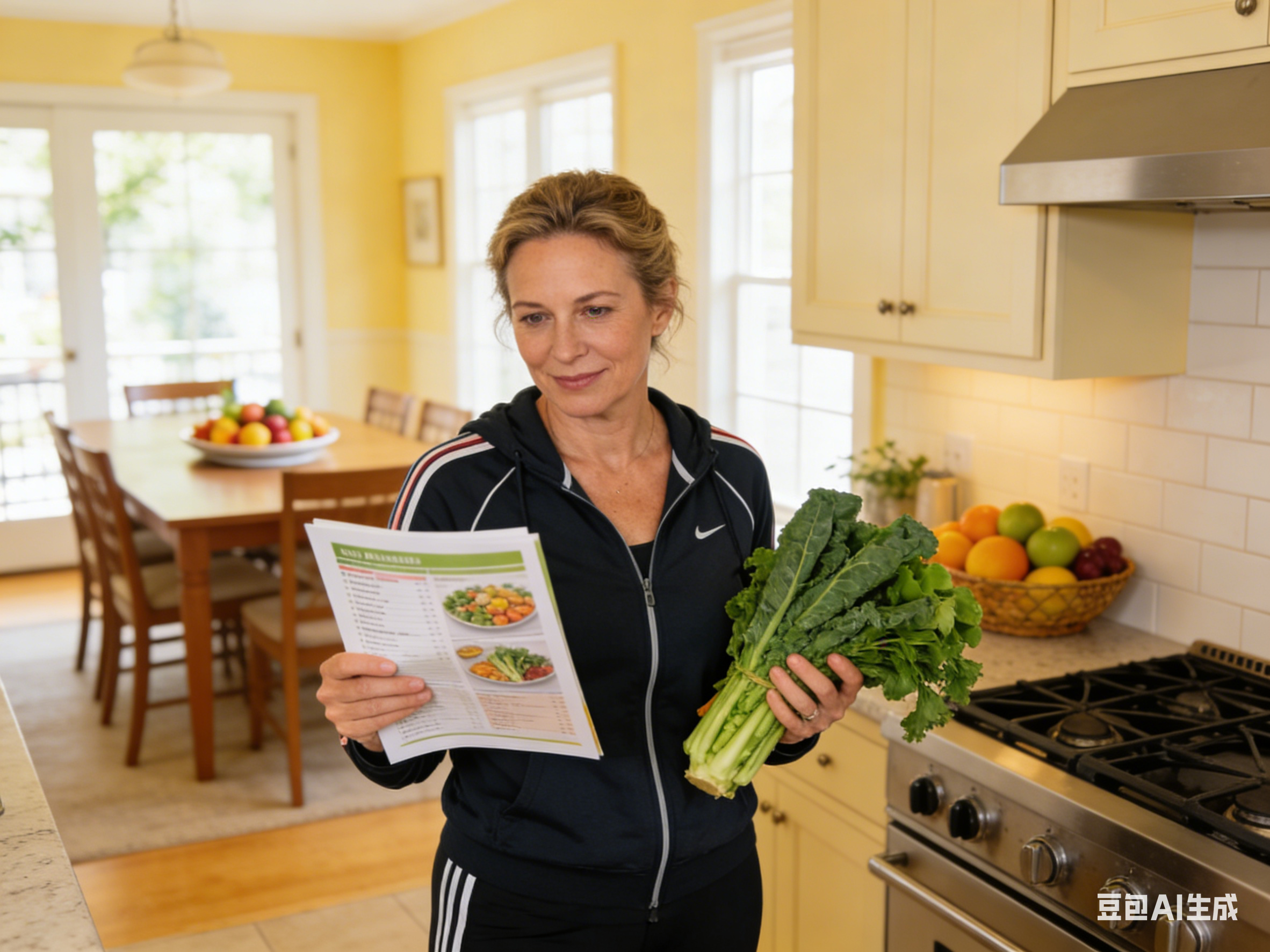
Weight Loss Essentials: Recommended High-Satiety Whole Grain Staples and Consumption Guide
Choosing the right staples can make weight loss easier. This article recommends high-satiety ingredients such as whole grains, pulses, and tubers, teaching you how to consume them scientifically. This approach helps control calories while being easy to maintain, enabling healthy and efficient weight loss.
2026-03-26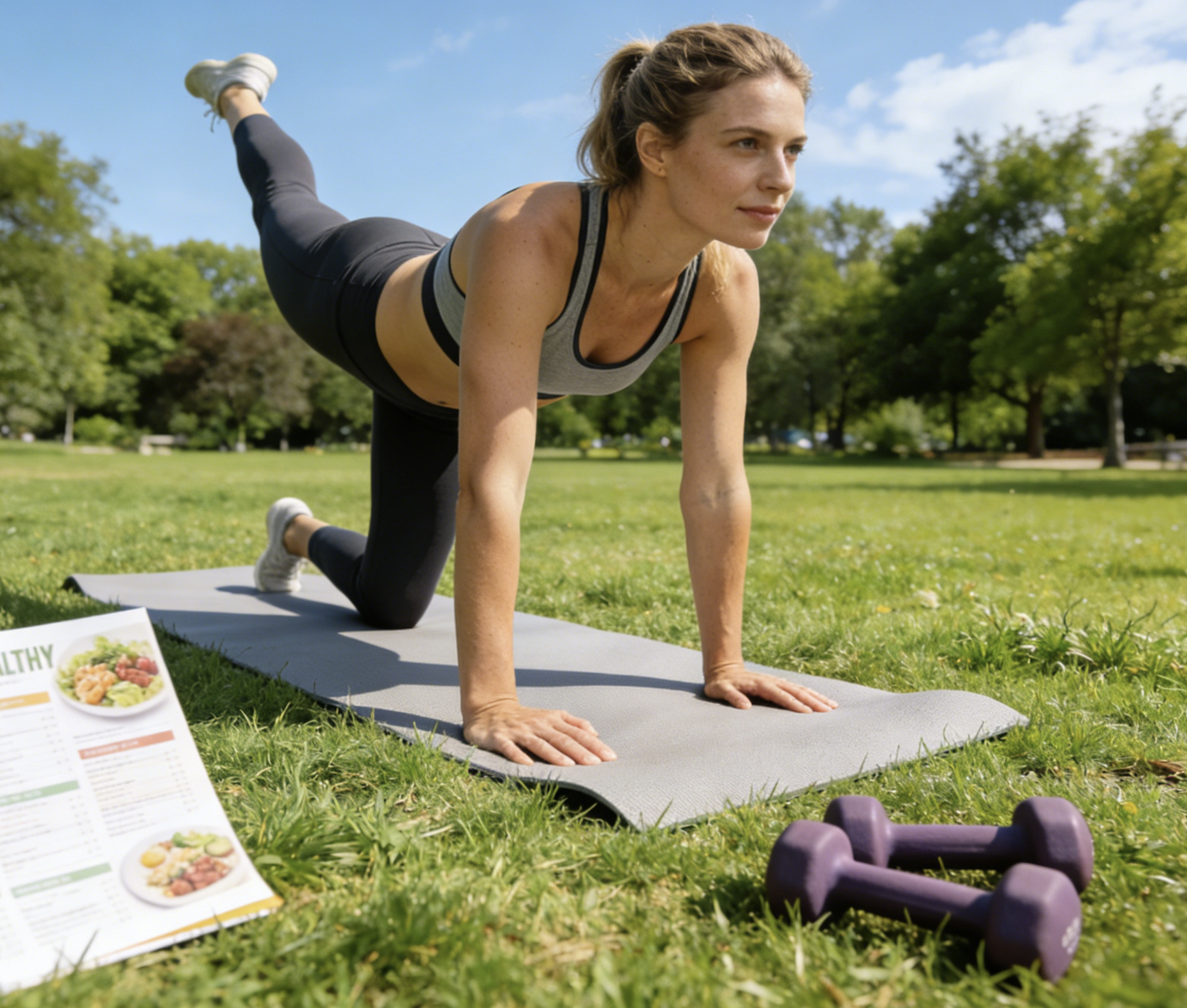
Essential Eating for Weight Loss: A Guide to Meat Selection and Protein Supplementation During Fat-Loss Phases
Avoiding meat while dieting risks protein deficiency, muscle loss, and rapid rebound weight gain. This article details the importance of meat consumption for weight loss, recommended intake levels, and selection strategies to ensure adequate nutrition, enabling you to achieve healthy, sustainable weight loss without rebound.
2026-03-27
Weight Loss Diet: The Complete Guide to Choosing Quality Meats and Healthy Oils
To lose weight effectively, you must choose the right meats and oils. This article guides you in selecting lean meats and wholesome fats, teaching you light cooking techniques and how to control oil intake and portion sizes. It enables you to eat satisfyingly while shedding weight steadily, achieving safe and efficient weight loss.
2026-03-27