Weight Loss Science: The Truth About Protein Powders, L-Carnitine and Supplements
Fitness Supplements:
Protein powder, L-carnitine, vitamins,
Are they truly necessary for weight loss?
I still recall my first visit to a GNC supplement store in America. I'd gone to purchase grape seed supplements for friends back home. Upon entering, I was utterly astonished. I found myself surrounded by walls densely packed with bottles and jars on all sides, feeling as though I'd stepped into a futuristic world where humans no longer needed to eat meals, surviving solely on pills.
At that moment, I thought: Good heavens, how could there be so many different types of supplements? Who are they actually for? Do we genuinely require this many supplements?
Later, I asked the shop assistant where the grape seed supplements were and had her explain the benefits. I'd never even heard of such a thing before, only coming to buy for my friend. Yet when I paid, I ended up taking two extra bottles for myself.
However, after finishing those two bottles, I never used grape seed supplements again. Since then, I've hardly used any supplements beyond protein powder.
Let me begin with whey protein powder. Whey protein is extracted from milk. Of course, there are also plant-based protein powders, such as soy protein powder derived from soybeans.
We know many fitness enthusiasts and bodybuilders consume protein powder because intense strength training damages muscle fibres. This requires supplementing with more protein than usual to repair the damaged muscles, aiding recovery and promoting greater physical strength.
For instance, a 70kg individual maintaining a stable weight requires 60–70g of protein daily. During a muscle-building phase, this increases to 80–120g daily—an additional several dozen grams. Obtaining this protein solely from food can be costly and time-consuming in meal preparation. This is where protein powder emerges as a cost-effective supplement option.
However, individuals primarily focused on weight loss or those with moderate exercise routines typically do not require protein powder. A varied and balanced diet providing adequate protein from food sources is sufficient. Moreover, the psychological satisfaction and sensory enjoyment derived from eating whole foods cannot be replicated by powdered supplements. If one feels their regular protein intake is insufficient—for instance, if meals predominantly consist of carbohydrates—then supplementing with protein powder is advisable. It is recommended to consume one and a half scoops post-workout.
Protein powders come in various flavours. Mixed with milk, they offer a pleasant taste, and substituting them for bubble tea drinks can be a satisfactory alternative, potentially reducing cravings for sweets.
Next, let us discuss L-carnitine.
L-carnitine enjoys considerable renown, often hailed as a ‘fat-burning miracle agent’ and perceived as an exceptionally effective weight-loss supplement. But does it truly live up to this reputation?
Firstly, L-carnitine is not a weight-loss drug; it is a vitamin-like nutrient that the human body can synthesise in small quantities. It is present in meat consumed in daily diets, though most individuals typically absorb only around 50 milligrams from food sources.
Its most celebrated function is facilitating fatty acid utilisation. Put simply, it acts as a carrier, promoting the transport of fats into mitochondria for oxidative breakdown, thereby increasing the proportion of fat consumed. Without entering mitochondria, fats cannot be efficiently utilised.
However, L-carnitine merely acts as a transporter. The actual amount of fat burned depends not on L-carnitine levels, but on your exercise volume. It's akin to hiring numerous labourers to construct a building when there are scarcely any bricks to carry. Thus, without physical activity, L-carnitine alone serves little purpose. For typical office workers and weight-loss individuals, even with L-carnitine supplementation, the effect remains negligible.
Only during periods of intense physical exertion, such as in athletes and bodybuilders, might energy expenditure exceed L-carnitine supply. At such times, supplemental L-carnitine may aid in utilising more stored fat for energy.
Now regarding vitamin supplements. Vitamins are trace organic compounds essential for maintaining normal physiological functions, obtained through diet. They neither provide energy nor serve as building blocks for bodily tissues; rather, they function as regulatory substances.
Intense exercise reduces the digestive system's ability to absorb vitamins, accelerating their turnover within the body. The sudden increase in energy expenditure during exercise also heightens vitamin requirements.
Furthermore, individuals pursuing weight loss often experience inadequate vitamin intake due to reduced food consumption and energy intake. This is particularly true for those adopting restrictive diets or drastically cutting calories – such as relying solely on meal replacement products, eliminating staple foods for extended periods, or setting excessively large energy deficits.
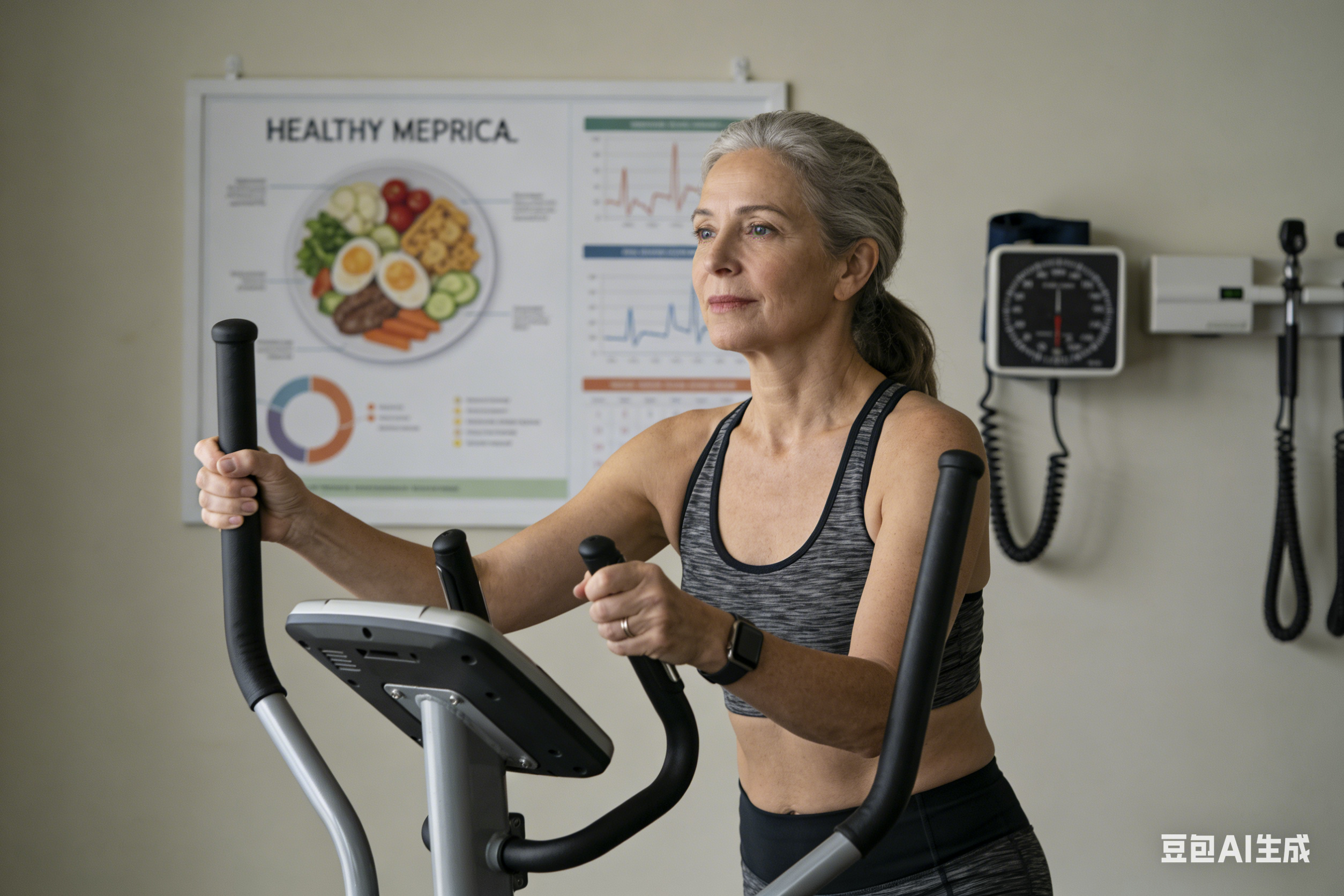
Weight Loss and Performance Enhancement: The Four Core Elements of Fitness Training – A Scientific Guide
Mastering the fundamentals of scientific fitness training can significantly boost weight loss efficiency. This article details four key training principles – systematic, focused, challenging, and consistent – to help you target your efforts precisely and achieve safe, effective weight loss and body sculpting.
2026-03-26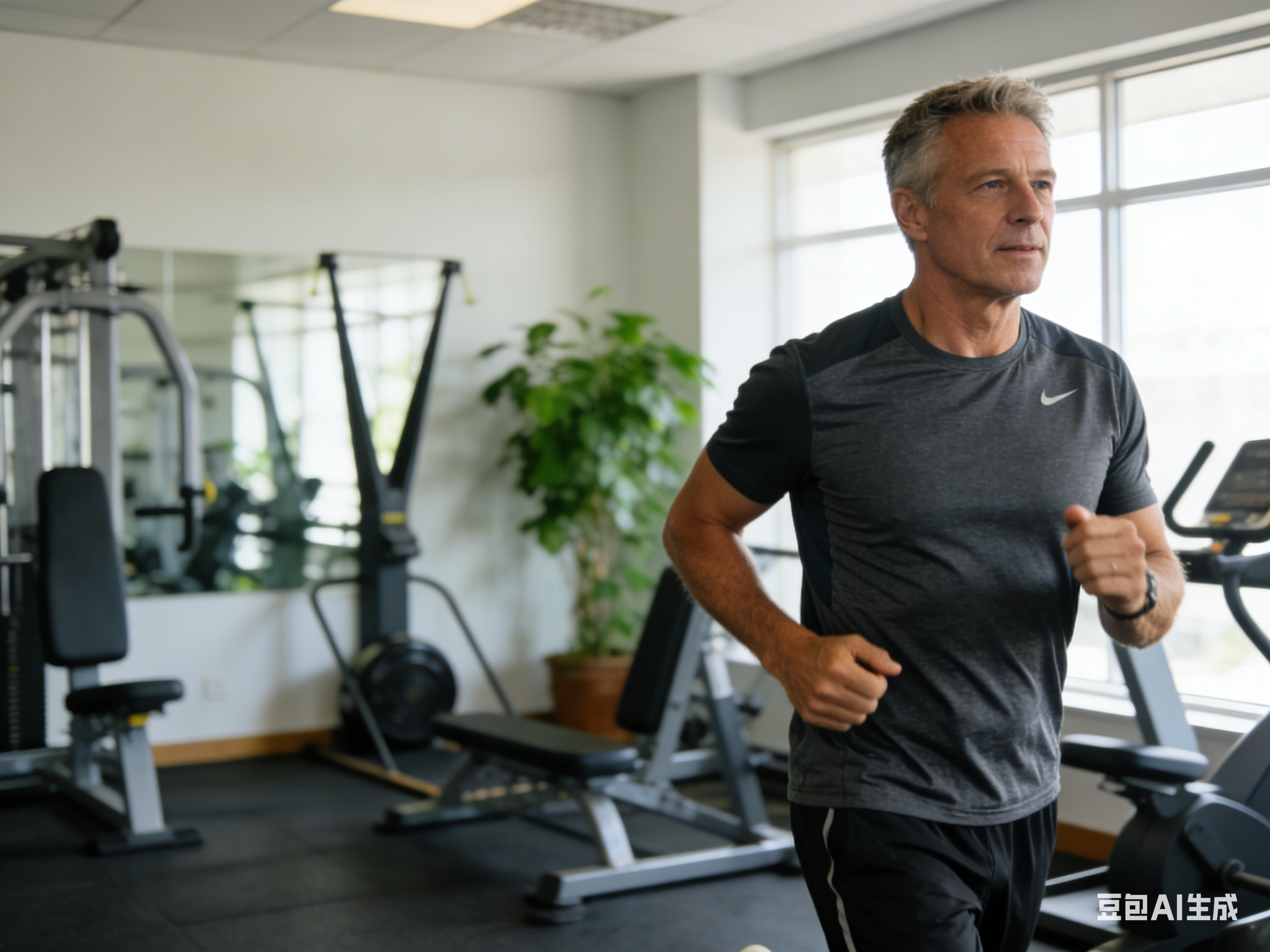
Weight Loss and Body Sculpting: Muscle Knowledge and Guide to Achieving Six-Pack Abs and a Defined Waistline
Understanding the muscular system enables more efficient weight loss. Achieving defined abdominal muscles hinges on body fat levels and systematic training. This article explains fundamental muscle science to help you sculpt your physique scientifically and successfully attain your weight loss goals.
2026-03-26
Weight Loss Essentials: Recommended High-Satiety Whole Grain Staples and Consumption Guide
Choosing the right staples can make weight loss easier. This article recommends high-satiety ingredients such as whole grains, pulses, and tubers, teaching you how to consume them scientifically. This approach helps control calories while being easy to maintain, enabling healthy and efficient weight loss.
2026-03-26