Weight Loss Essentials: The Truth About Fat-Burning Heart Rates and Exercise-Induced Fat Loss
Fat-burning heart rate: Must exercise within a specific heart rate zone to burn fat?
I believe many people have heard of the so-called ‘fat-burning heart rate’ when dieting – the notion that one must reach a certain heart rate zone during exercise to shed fat, otherwise the workout is pointless. Is this accurate?
Firstly, it's true that the faster your heart beats during exercise, the greater the intensity and the more energy expended. For instance, consider three 20-minute aerobic sessions: a slow walk, a brisk walk, and a fast run. Clearly, the fast run involves greater intensity, higher heart rate, and thus higher energy expenditure. However, sustaining such high speed and elevated heart rate is difficult over extended periods. Consequently, there exists a moderate intensity and heart rate zone where fat utilisation is maximised – this is termed the optimal fat-burning heart rate. Typically, the optimal fat-burning heart rate lies between 55% and 80% of one's reserve heart rate. Exercise conducted below or above this range tends to yield relatively lower fat utilisation efficiency.
Each individual's optimal fat-burning heart rate is unique and can be enhanced through training.
Does this imply that fat reduction is only achievable by reaching the optimal fat-burning heart rate?
The answer is no.
Many novices misinterpret this concept. They believe that only by reaching the optimal fat-burning heart rate can weight loss occur, and that failing to reach it renders exercise pointless. This misconception leads many to abandon exercise altogether, reasoning that if they aren't hitting that heart rate anyway, they might as well skip it.
This is particularly true for those with chronic laziness who avoid exercise whenever possible, using this as a seemingly reasonable excuse for inactivity. They assume that if exercise doesn't feel exhausting, it must not be burning much fat, suspecting they've engaged in a sham workout, and gradually give up.
In reality, even during very low-intensity activity or complete rest—whether lying down scrolling through your phone or asleep—the body continues to burn fat. During high-intensity exercise, while fat contributes less to energy supply, it still plays a role. Moreover, intense workouts burn more calories overall, meaning the absolute amount of fat burned isn't low. Factor in the afterburn effect post-exercise, and it becomes clear why I previously stated: any activity that burns more energy per unit of time offers better value for weight loss.
A similar misconception persists: that fat burning doesn't commence until a certain duration is reached (e.g., 20–30 minutes), which many use as an excuse to avoid exercise. The reality is this: fat burning begins from the very first second of exercise. While the proportion of fat used for energy varies, the difference is minimal, typically ranging between 40% and 60%.
Therefore, any form of exercise burns energy and fat, regardless of the activity type, intensity level, or duration. For the average person, there's little need to obsess over the “optimal fat-burning heart rate”. Simply create an energy deficit through diet and any form of exercise, and your body will break down stored fat.
Finally, those in a fat-loss phase should understand that exercise's primary purpose is to enhance physical function and health, not solely for fat reduction. If the goal is purely fat loss, controlling one's diet will yield faster and more effective results.
Weight Loss Seasoning: Low-Salt Cooking Techniques and Low-Fat Culinary Pitfall Avoidance Guide
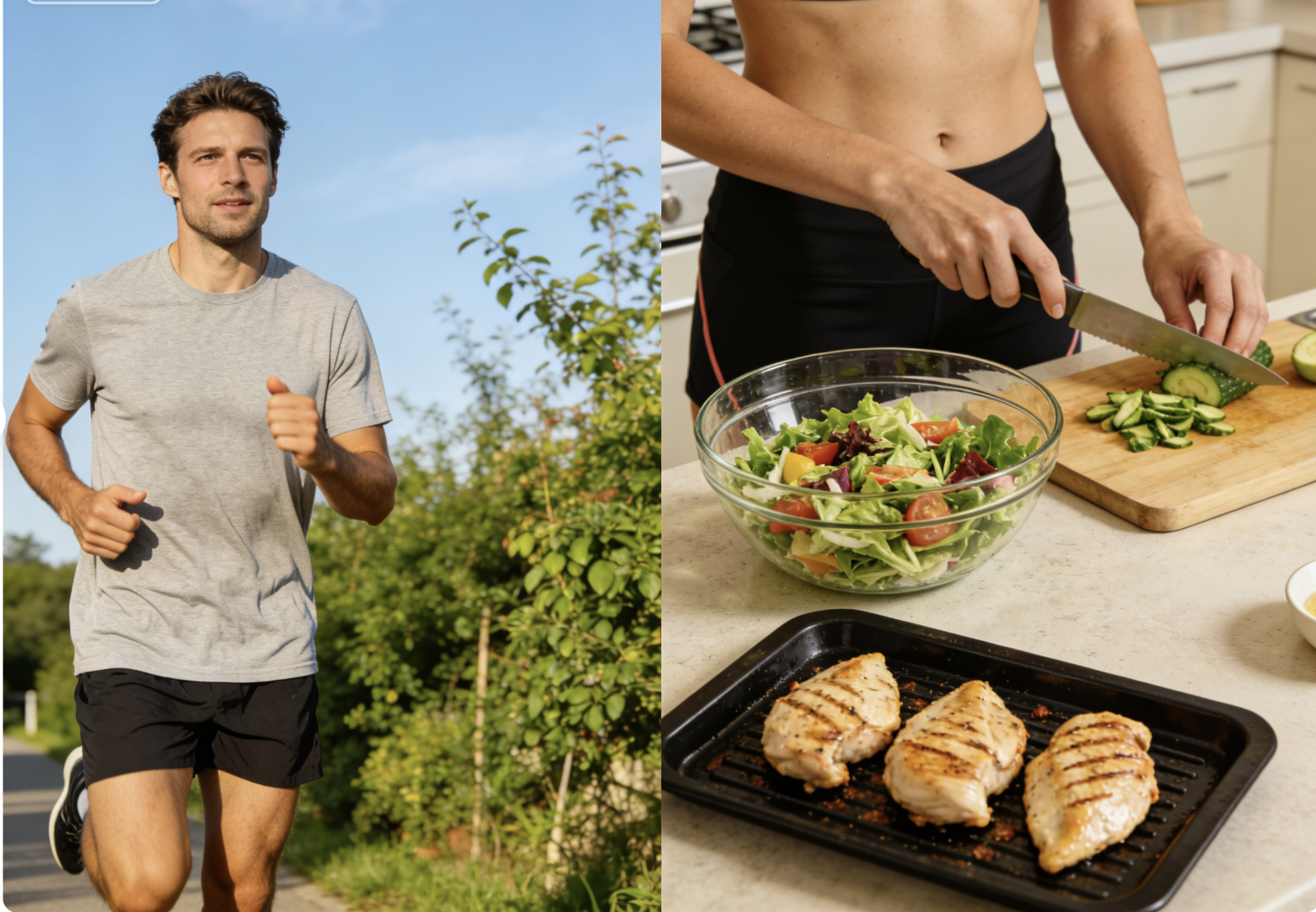
Shedding pounds needn't mean eating only boiled vegetables. This guide teaches low-salt seasoning and healthy cooking methods, helping you avoid hidden high-fat traps. Enjoy delicious, low-calorie meals and maintain a sustainable, scientific approach to weight loss.
2026-03-27
Weight Loss Seasoning: Low-Salt Cooking Techniques and Low-Fat Culinary Pitfall Avoidance Guide
Shedding pounds needn't mean eating only boiled vegetables. This guide teaches low-salt seasoning and healthy cooking methods, helping you avoid hidden high-fat traps. Enjoy delicious, low-calorie meals and maintain a sustainable, scientific approach to weight loss.
2026-03-26
Weight Loss Pitfalls: The Science of Choosing Low-Calorie Snacks and Healthy Beverages
Selecting the right snacks and beverages is crucial during weight loss. This article recommends low-calorie snacks, helps you avoid high-sugar traps, and demystifies zero-calorie drinks. It empowers you to control calorie intake, enabling steady and effortless weight management.
2026-03-27