Article 29: Obesity-Related Respiratory, Kidney, Skin, and Bone and Joint Diseases
Pulmonary heart syndrome, also known as Pickwickian syndrome, often occurs in severely obese patients. These patients have excessive adipose tissue around the abdominal organs and in the chest wall, leading to increased intra-abdominal pressure, which causes the diaphragm to rise, reducing its vertical movement and decreasing ventilation efficiency.
Because of the reduced gas exchange capacity in the lungs, the alveoli's ability to exchange oxygen and carbon dioxide decreases, leading to an increase in carbon dioxide partial pressure and a decrease in oxygen partial pressure. Consequently, patients experience shortness of breath, fatigue, and an inability to tolerate strenuous physical activity, and become reluctant to move. The latter, in turn, further contributes to obesity.
Long-term elevated arterial carbon dioxide partial pressure crosses the blood-brain barrier, gradually increasing the carbonate content in the cerebrospinal fluid and decreasing the pH value, causing the brain to be in a state of chronic hypoxia.
The patient not only experiences symptoms such as dizziness, headache, rapid pulse, palpitations, excessive sweating, and weakness, but also, due to long-term hypoxia, is prone to secondary polycythemia, resulting in a plethora of blood types, increased blood viscosity, increased circulatory resistance, stagnant venous return, elevated venous pressure, jugular venous distension, hepatomegaly, elevated pulmonary artery pressure, and increased right ventricular load. Over time, this leads to right ventricular hypertrophy.
Obese patients have a significant increase in adipose tissue, which naturally increases the total circulating blood volume. This leads to a greater increase in cardiac output and stroke volume, ultimately increasing the load on the left ventricle and resulting in high-stroke-output heart failure.
In summary, cor pulmonale syndrome is characterized by the following: extreme obesity, dyspnea after exertion, somnolence, periodic breathing during sleep, secondary polycythemia, right ventricular hypertrophy, and left heart failure.
Snoring is the "snoring" sound produced when breathing is obstructed during sleep, causing airflow to vibrate the upper respiratory tract. Snoring is very common among adult men. Statistics show that one in eight people snore while sleeping, with an even higher incidence among obese middle-aged and elderly individuals.
Obesity in middle-aged and elderly people is mainly due to a decrease in strenuous activity, while the intake of nutrients remains the same, resulting in a decrease in energy expenditure and a relative increase in nutrient intake.
Obese individuals often have thickened pharyngeal walls, enlarged soft palates, large uvulas, widened tongues, and narrowed pharyngeal cavities. Therefore, during sleep, the pharyngeal muscles relax, the soft palate collapses, and the tongue falls back, obstructing the airway and causing snoring. This is also a manifestation of declining physiological function in middle-aged and elderly individuals.
Zhang Zhongjing, a physician from the Eastern Han Dynasty in my country, discovered a link between snoring and obesity, stating that "those who are heavy-bodied and sleep a lot will inevitably snore." Mild snoring does not affect sleep or health, but moderate to severe snoring can pose a serious threat to human health.
Therefore, snoring in middle-aged and elderly people should be taken seriously. They should pay attention to losing weight and maintaining a suitable weight. They should start by preventing and treating obesity through aspects such as daily life, diet control, and traditional Chinese medicine treatment.
(1) For mild snoring, adjust your sleeping posture or position. For example, change from lying on your back to lying on your side, or raise or lower your pillow.
(2) Maintain good lifestyle habits. Maintain a regular daily routine, balance work and rest, and cultivate a calm and contented mind. Regularly engage in moderate physical exercise, such as senior citizen exercises or Tai Chi, and maintain a good mental state. This can accelerate blood circulation, speed up fat consumption, resist arteriosclerosis, and reduce blood lipid deposition, thus achieving a slimming effect.
(3) Control your diet. Eat regularly and in moderation every day. Do not overeat or use "starvation therapy" to lose weight. Because the spleen and stomach are the foundation of postnatal health, if the qi of the spleen and stomach is damaged and the spleen loses its ability to function properly, the source of postnatal nutrition will be insufficient, leading to fatigue and weakness, which will be counterproductive.
A normal diet should consist mainly of rice and noodles, supplemented with vegetables, fruits, melons, beans, fish, and shrimp. Avoid greasy foods and refrain from smoking and drinking alcohol. Smoking directly damages the respiratory mucosa, causing inflammation, reducing oxygen exchange in the alveoli, lowering blood oxygen partial pressure, inducing emphysema, and worsening snoring. High-concentration alcoholic beverages damage the liver, weaken fat metabolism, cause increased cholesterol, arteriosclerosis, and fat deposition, leading to obesity and exacerbating snoring.
Therefore, smoking and alcohol are major threats to the health of middle-aged and elderly people. A light diet can reduce sodium ions and the water they absorb, thus achieving weight loss and reducing snoring.
(4) Traditional Chinese Medicine Treatment: For obesity in middle-aged and elderly people, traditional Chinese medicine can be used for weight loss. For example, 15 grams of Alisma plantago-aquatica and 12 grams of Atractylodes macrocephala can be decocted and drunk as tea once a day. This can effectively accelerate the excretion of sodium, lower blood sugar, prevent the formation of fatty liver, and reduce the cholesterol content in the blood. If there is deficiency of liver and kidney, traditional Chinese medicine that tonifies the liver and kidney can be used, such as Jin Kui Shen Qi Wan and deer antler extract.
Alternatively, use 10 grams each of deer antler glue, tortoise shell, cornus officinalis, and atractylodes macrocephala, and 12 grams each of rehmannia glutinosa, alisma plantago-aquatica, lotus seed, and wolfberry. Decoct in water and take one dose daily. A course of treatment is half a month. This formula has good slimming and health-promoting effects.
With consistent adherence to the above measures, most people can achieve good weight loss results. A small number of individuals may find non-surgical treatments ineffective due to localized soft tissue laxity, loss of elasticity, or other reasons, and may consider surgical treatment. Surgical methods can be flexibly chosen based on the location and nature of the lesion, such as septoplasty, anterior and posterior palatal arch sutures, and soft palate reduction.
Obese patients have an extremely high incidence of sleep apnea syndrome, three times that of non-obese individuals, and more than 50% of obese adult men are likely to develop it.
The mechanisms may include: ① Neck fat deposition can narrow the upper respiratory tract, making it more prone to collapse and obstruction. ② Chest and abdominal fat deposition increases respiratory load, decreases chest wall compliance, elevates the diaphragm, and reduces respiratory efficiency. ③ Long-term hypoxia and poor sleep lead to dysfunction of the central nervous system controlling feeding and metabolism in the brain. Combined with drowsiness, reduced activity, and decreased energy expenditure, this further exacerbates obesity, which in turn worsens sleep apnea, creating a vicious cycle.
Alcohol abuse, taking sedatives, sleeping in a supine position, and upper respiratory tract infections can induce or worsen upper respiratory tract obstruction.
Symptoms of sleep apnea syndrome include: obesity, short neck, micrognathia, enlarged tongue, loud and uneven snoring, cessation of breathing during sleep, abnormal movements during sleep, daytime sleepiness and fatigue, headache and dizziness upon waking, memory loss, decreased male sexual function, and bedwetting. Long-term sleep apnea can lead to dysfunction of various organ systems throughout the body.
Asthma is the most common chronic disease in children. In the past 25 years, the incidence of asthma in children under 4 years old in the United States has increased by 160%, and in children aged 5 to 14 years old by 74%.
Researchers in the United States surveyed more than 12,000 children from 89 medical centers across the country to identify risk factors contributing to the rising incidence of asthma. The children participating in the study were Black, Hispanic, and White, and 7% of them had been diagnosed with asthma.
Studies have found that the incidence of childhood asthma continues to rise at all ages, with the most significant increase among white children, whose asthma incidence increases with age.
In addition, children over 10 years of age who are obese or whose parents have severe asthma or hay fever are more likely to develop asthma. Black children under 10 years of age are also more likely to develop asthma if one of their parents has asthma or hay fever.
Researchers believe there is a strong link between childhood obesity and the onset of asthma. This study also supports previous findings on asthma risk factors, namely that Black people with a family history of asthma or hay fever are more likely to develop asthma.
The kidneys are vital excretory organs in the human body. Their main function is to remove waste and toxins from the blood and maintain the balance of salts, water, and other substances. Generally speaking, obesity can easily damage major organs, as high blood pressure and diabetes are closely related to obesity, and both are major causes of kidney disease.
Strictly speaking, obesity is a manifestation of excess body fat. However, many obese people not only have increased body fat but also excessive water retention. In daily life, many obese women experience swollen feet in the afternoon. Because their shoes become tight, some even say they've gained a kilogram in a day or two. Can someone really gain weight that quickly? Actually, what's called "weight gain" is actually edema, not fat accumulation. Edema occurs when excess water fails to be excreted from the body and accumulates.
Many people lose weight primarily through sweating or diuresis, but this only temporarily eliminates excess water from the body and has little effect on reducing fat.
Many advertised rapid weight loss methods also achieve their goal by quickly reducing body water weight. This leads to severe dehydration, causing thirst, which is then addressed by increasing water intake and decreasing excretion, resulting in a rapid return to the original weight. This is a major reason why weight loss effects are difficult to sustain.
Why does obesity and edema coexist? There are several reasons. Obese individuals have increased subcutaneous fat tissue, which weakens the support for superficial veins. Furthermore, blood vessels are more prone to dilation, leading to blood pooling and impaired blood and tissue fluid return, resulting in edema.
Obese individuals can naturally eliminate edema by increasing physical activity and losing weight appropriately. However, many people restrict their diet for extended periods in an attempt to lose weight, resulting in an unhealthy dietary structure. This leads to a deficiency of plasma protein components, causing nutritional edema.
Another important, often overlooked reason is that obese individuals consume excessive salt, leading to an excess of sodium ions in the body and causing water and sodium retention. Moreover, this subtle symptom of obesity and edema often goes unnoticed. Therefore, if we limit our salt intake to less than 6 grams per day on average, our weight will naturally decrease.
Obese individuals often have weak peripheral circulation, resulting in slower skin responses to external changes and lower resistance, making them highly susceptible to skin conditions such as dermatitis, eczema, scabies, and chilblains. Furthermore, excessive sweating in obese individuals can impair the skin's ability to prevent infection, significantly increasing the incidence of skin diseases.
Standing up suddenly after squatting for a long time can sometimes cause mild cerebral ischemia; this condition is called orthostatic hypotension. This condition is not related to anemia and is mostly caused by an impaired ability of the body to regulate blood pressure.
As obese individuals accumulate body fat, the number of blood vessels needed to transport blood to various tissues also increases, requiring a corresponding increase in the body's ability to raise blood pressure. If the body's condition does not change accordingly (such as in cases of rapid weight gain), functional impairment can occur, leading to orthostatic hypotension.
Obesity and hypertension are closely related. Over the years, many scholars have conducted extensive research and found that obese people are 2 to 3 times more likely to suffer from hypertension than thin people.
They also found that, regardless of whether it was children or adults, or developed or underdeveloped societies, weight or body mass index was significantly positively correlated with blood pressure and with the ratio of waist circumference to hip circumference.
Studies have shown that individuals who gain weight rapidly over a period of time also experience a rapid increase in blood pressure. Comparative studies of populations in northern and southern my country, whether using univariate or multivariate analyses, have demonstrated that a higher body mass index (BMI) is an independent risk factor for elevated blood pressure.
The main reasons why obese people are prone to high blood pressure are as follows:
(1) Obese people have increased total blood volume, increased cardiac output, and increased blood volume pumped into the blood vessels per minute. This is an important reason why obese people are prone to hypertension.
(2) Obese people often overeat, and their blood insulin levels are often higher than those of non-obese people. This overeating and hyperinsulinemia can stimulate the sympathetic nervous system, causing vasoconstriction, thereby increasing peripheral vascular resistance and resulting in elevated blood pressure. Hyperinsulinemia also causes increased reabsorption of sodium by the kidneys, increasing blood volume and also raising blood pressure.
(3) It is important to note that compared to hypertensive patients of normal weight, obese hypertensive patients are also more prone to dyslipidemia and diabetes. In addition, obese individuals tend to have less physical activity, thus significantly increasing their risk of developing arteriosclerosis. Hardened blood vessels are less likely to dilate with the inflow of blood, leading to a further increase in blood pressure.
However, with weight loss, high blood pressure can be significantly reduced or even completely normalized. While lowering blood pressure, weight loss can also alleviate diabetes and dyslipidemia, and improve overall health, thus greatly reducing the risk of cardiovascular disease. If weight loss still cannot lower blood pressure to normal, antihypertensive medication should be used to control it.
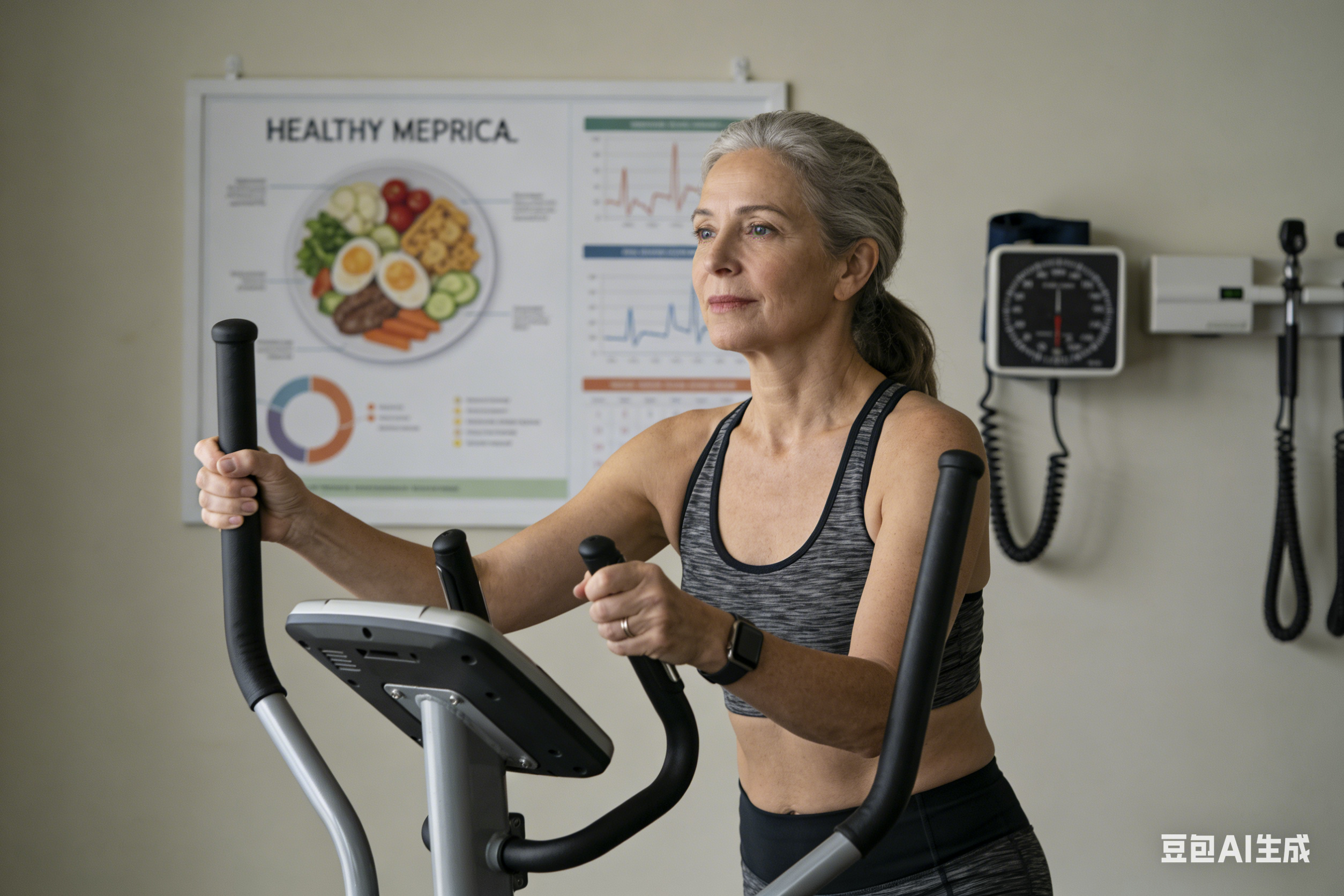
Weight Loss and Performance Enhancement: The Four Core Elements of Fitness Training – A Scientific Guide
Mastering the fundamentals of scientific fitness training can significantly boost weight loss efficiency. This article details four key training principles – systematic, focused, challenging, and consistent – to help you target your efforts precisely and achieve safe, effective weight loss and body sculpting.
2026-03-26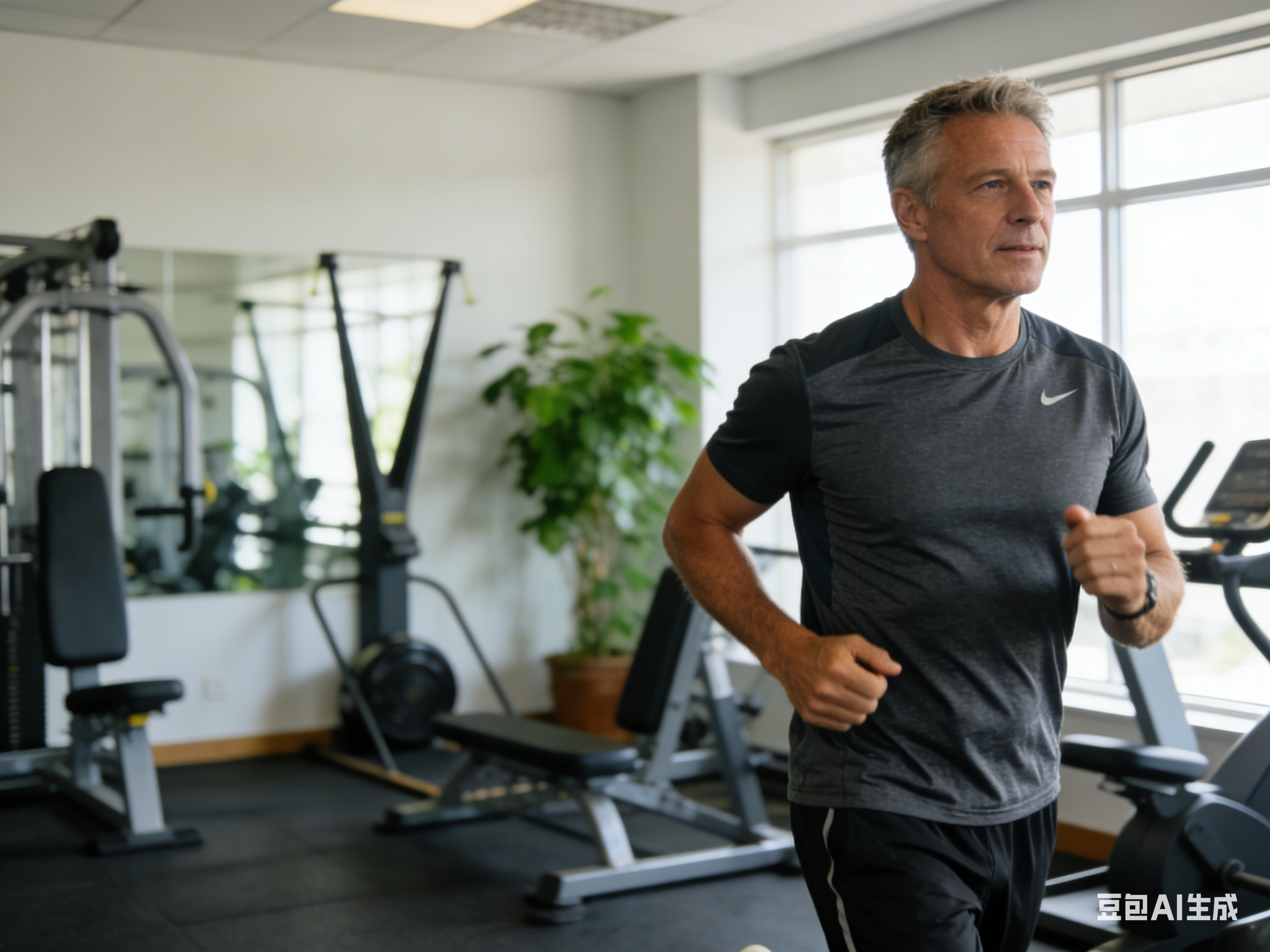
Weight Loss and Body Sculpting: Muscle Knowledge and Guide to Achieving Six-Pack Abs and a Defined Waistline
Understanding the muscular system enables more efficient weight loss. Achieving defined abdominal muscles hinges on body fat levels and systematic training. This article explains fundamental muscle science to help you sculpt your physique scientifically and successfully attain your weight loss goals.
2026-03-26
Weight Loss Essentials: Recommended High-Satiety Whole Grain Staples and Consumption Guide
Choosing the right staples can make weight loss easier. This article recommends high-satiety ingredients such as whole grains, pulses, and tubers, teaching you how to consume them scientifically. This approach helps control calories while being easy to maintain, enabling healthy and efficient weight loss.
2026-03-26